Beautiful Christmas Ornaments for Your Tree


Christmas decorating often begins with the tree. Before the lights are switched on, before the gifts appear underneath it, there is that quiet moment when an empty tree becomes a blank canvas. The ornaments we choose decide whether the final result feels traditional, rustic, elegant, playful or wonderfully handmade.
The best Christmas tree ornaments are not necessarily the most expensive or elaborate. Sometimes a simple wooden star, a crocheted snowflake or a delicate paper ornament creates far more charm than something heavily decorated.
A beautiful Christmas tree usually comes from mixing shapes, textures and materials rather than filling every branch with identical decorations. The result feels collected, personal and much more interesting.
- Choosing a Style for Your Christmas Tree
- Handmade Crochet Christmas Ornaments
- Wooden Ornaments for a Natural Christmas Look
- Beautiful Paper Christmas Decorations
- Rustic Christmas Tree Ornaments
- Christmas Ornaments Made from Fabric
- Elegant Glass and Metallic Decorations
- Decorating with Miniature Houses
- Use Ribbons as Decorations
- Create Depth with Different Ornament Sizes
- A Simple Formula for a Balanced Christmas Tree
- Mixing Handmade and Store-Bought Decorations
- Final Thoughts
Choosing a Style for Your Christmas Tree
Before buying or making decorations, think about the atmosphere you want to create.
Some trees look beautiful with a carefully controlled palette, while others become more appealing when several styles are combined.
Popular Christmas decorating styles include:
- Rustic Christmas with wood, pinecones, jute and natural greenery
- Scandinavian Christmas with white, beige, paper and simple wooden decorations
- Traditional Christmas with red, green and gold
- Elegant Christmas with metallic details, glass ornaments and ribbons
- Handmade Christmas featuring crochet, felt, fabric and recycled materials
- Vintage Christmas with nostalgic shapes and old-fashioned colours
Choosing one main direction makes decorating easier, but there is no need to follow a theme too strictly.
A few unexpected ornaments can make the tree feel much more personal.
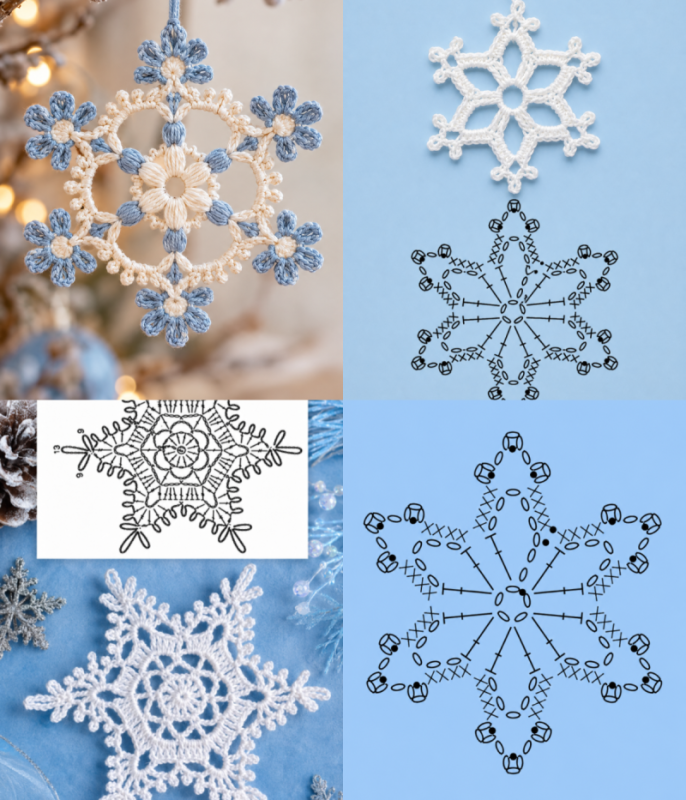
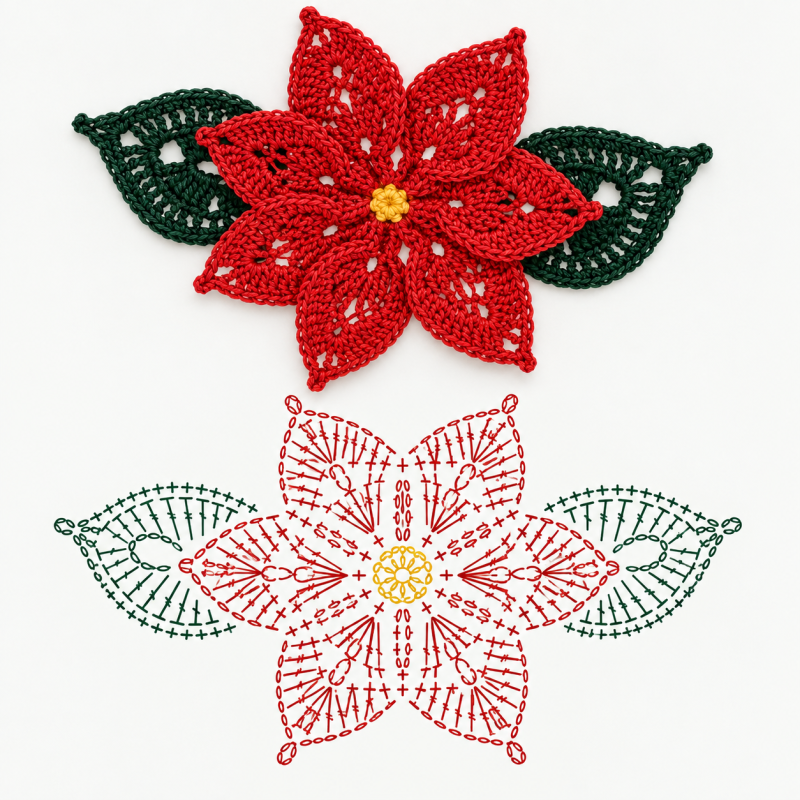
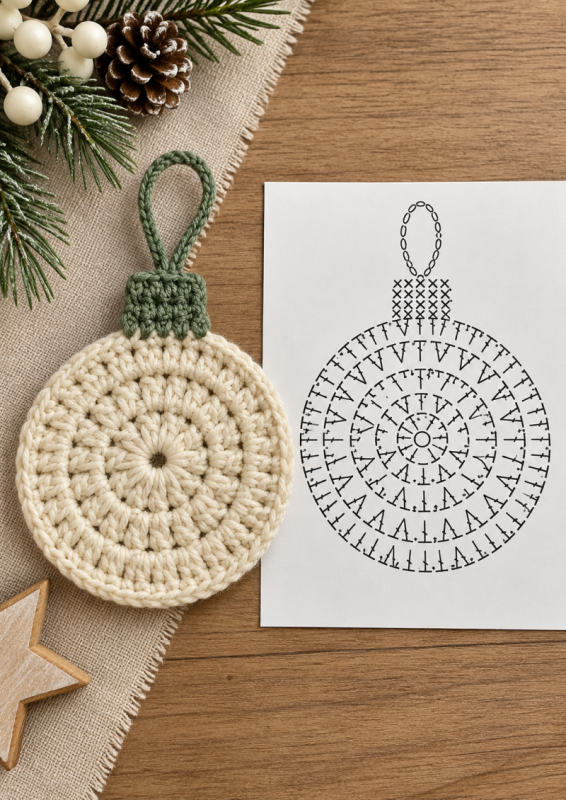
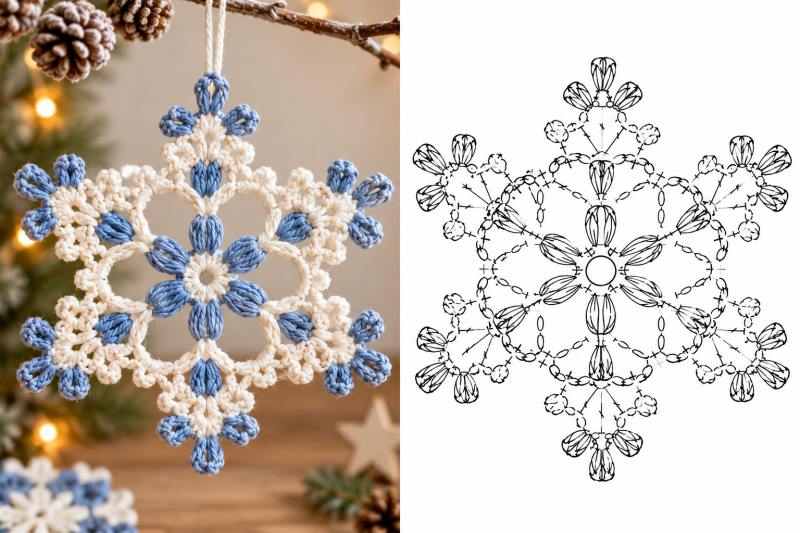
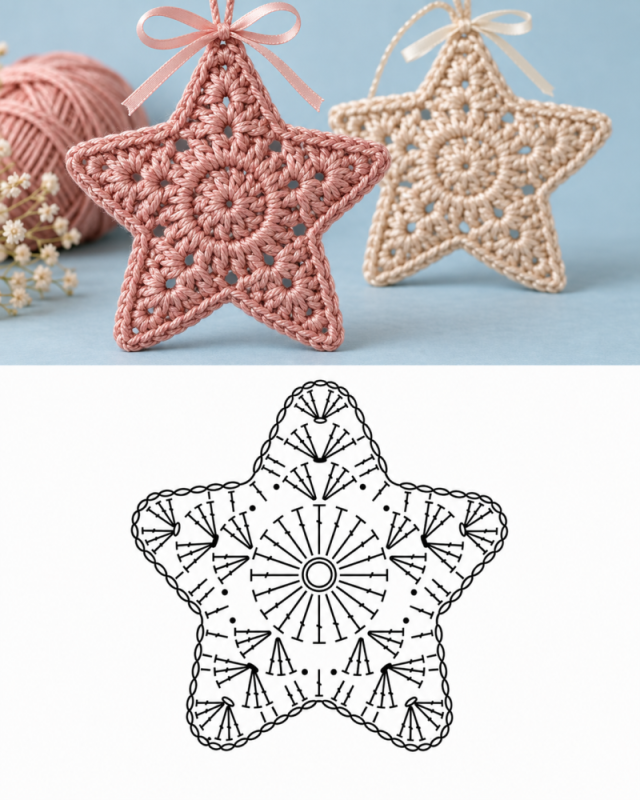
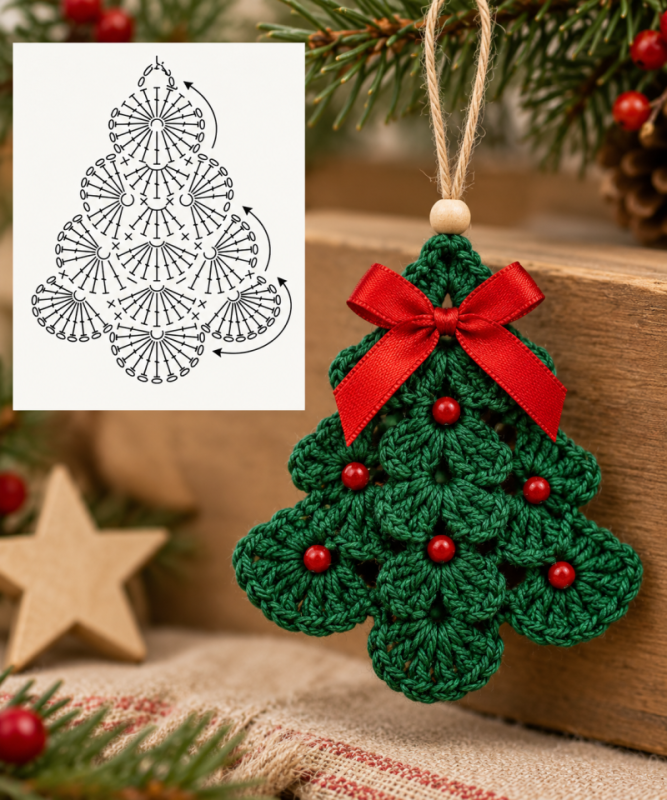
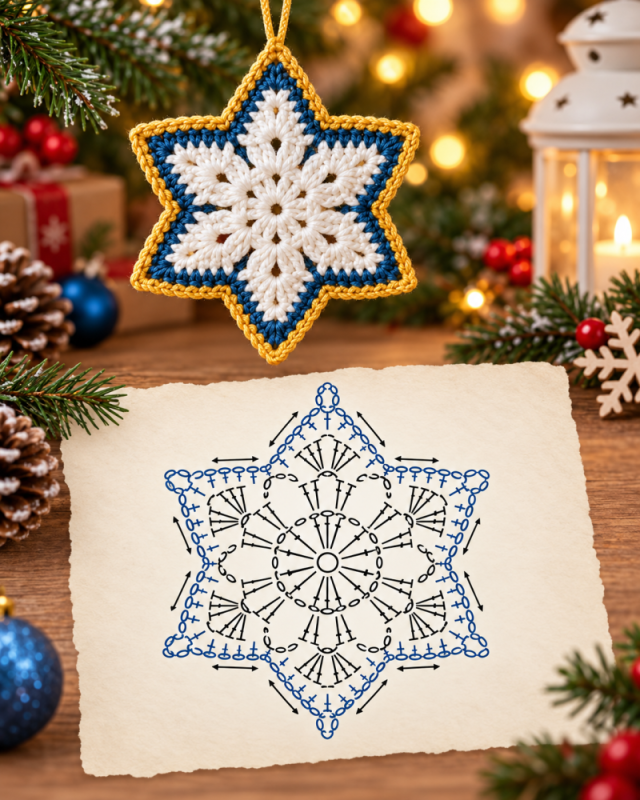
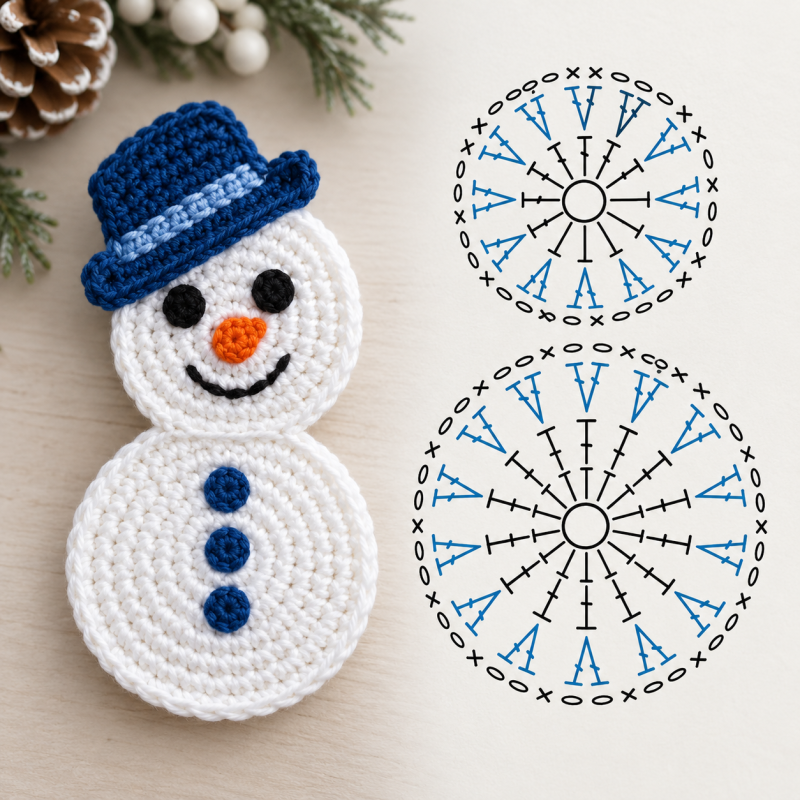
Handmade Crochet Christmas Ornaments
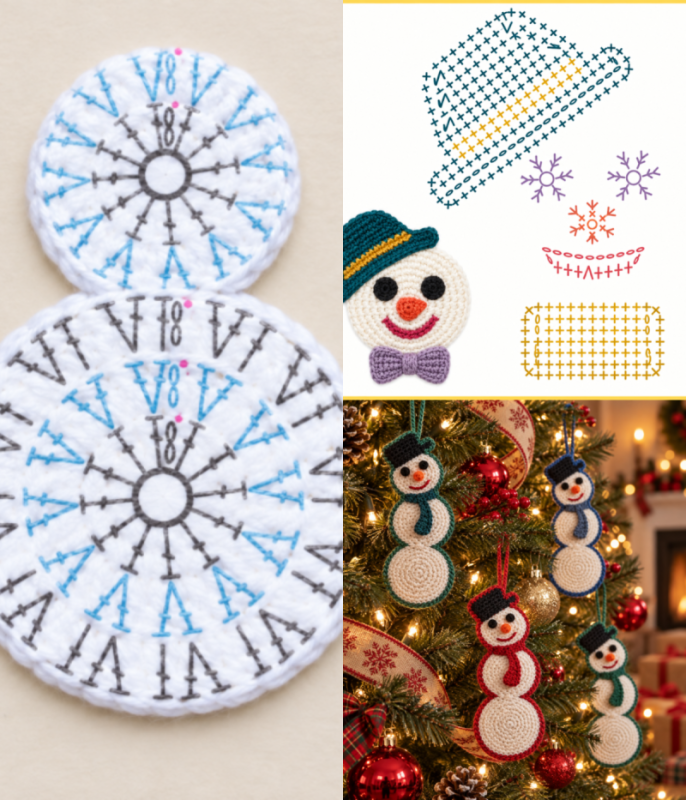
Crochet decorations bring texture to a Christmas tree without making it feel heavy.
Small crochet projects are also an excellent way to use leftover yarn.
You can create:
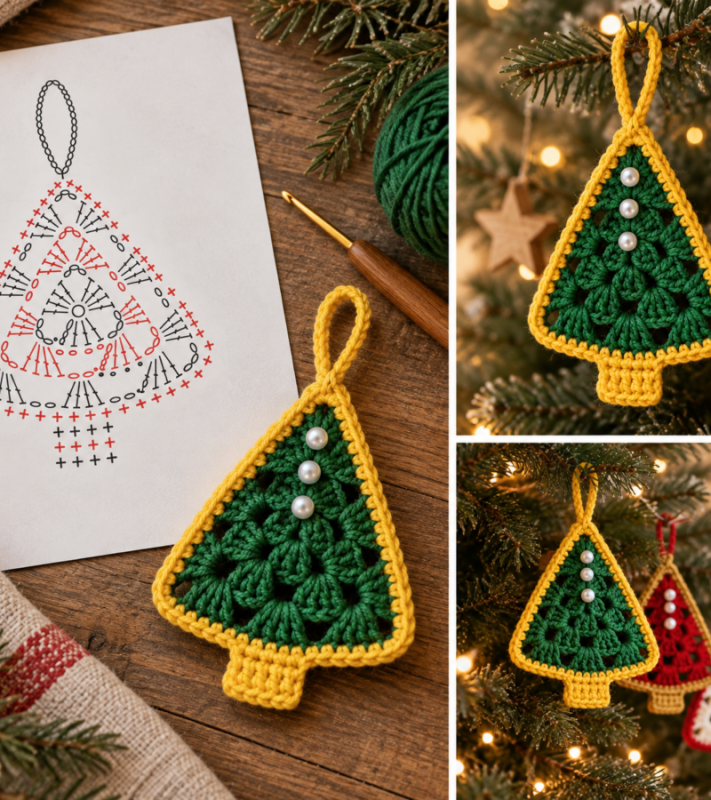
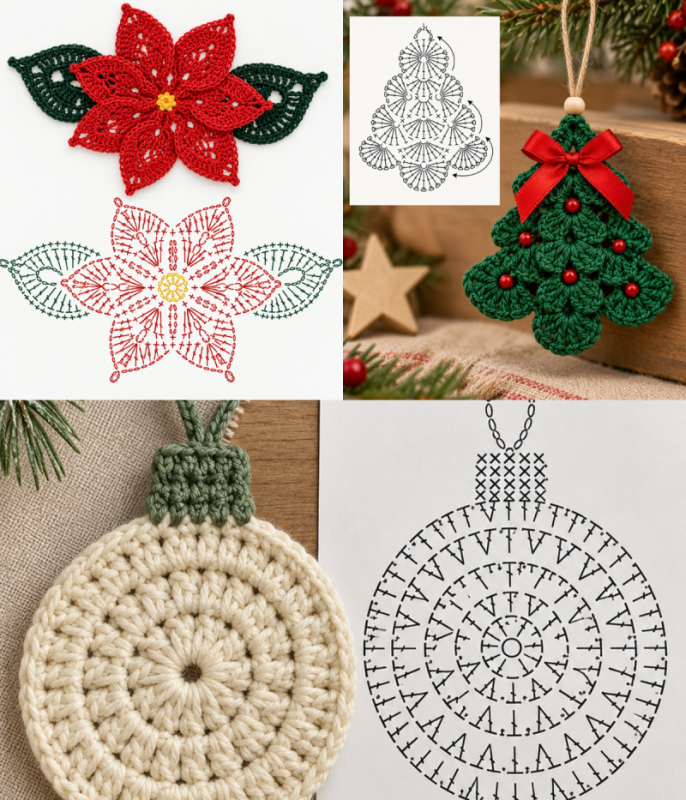
- Mini Christmas trees
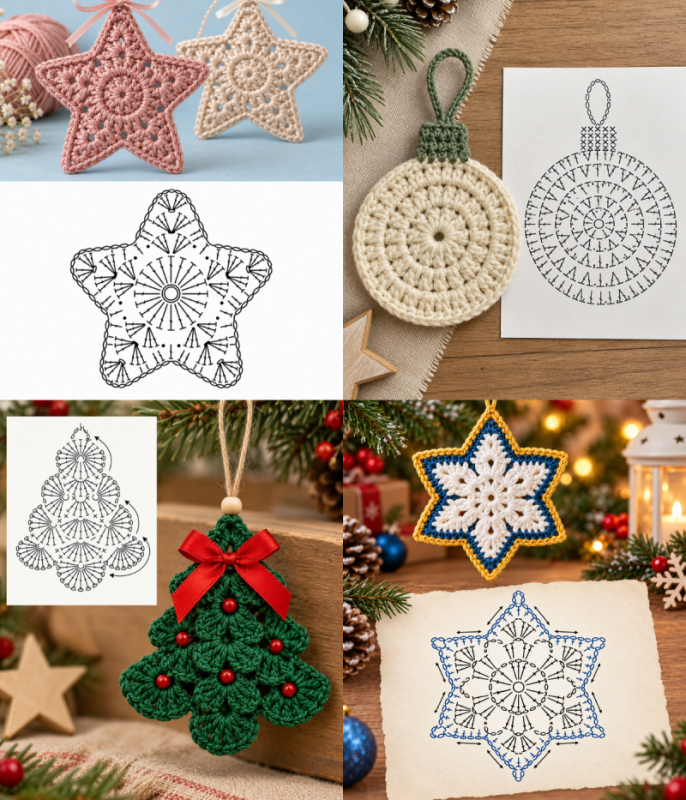
- Crochet stars
- Snowflakes
- Tiny stockings
- Bells
- Hearts
- Mini wreaths
- Granny-square ornaments
A simple triangular crochet tree can become particularly attractive when finished with contrasting edging and a few small pearl beads.
These decorations also work beautifully on gift packages or garlands after Christmas.
Cotton yarn creates a clean and structured look, while wool gives decorations a softer, more traditional appearance.
Wooden Ornaments for a Natural Christmas Look
Wood remains one of the easiest materials to combine with almost any Christmas style.
Small wooden Christmas ornaments can include stars, trees, houses, hearts and snowflakes.
Leave the wood unfinished for a Scandinavian appearance or decorate it with paint, ribbon or small beads.
Wooden decorations work especially well alongside:
- eucalyptus
- fir branches
- dried orange slices
- pinecones
- linen ribbons
- neutral ceramic ornaments
The mixture creates a warm Christmas tree that feels decorative without becoming overly formal.
Beautiful Paper Christmas Decorations
Paper ornaments are often underestimated.
Yet some of the most elegant Christmas decorations can be created with nothing more than quality paper, scissors and thread.
Accordion ornaments, folded stars and honeycomb balls add volume without weighing down delicate branches.
For a sophisticated tree, try using paper in:
- ivory
- warm white
- beige
- burgundy
- forest green
- muted gold
Avoid using too many colours at once if you want a calm, contemporary result.
Paper decorations also look wonderful when mixed with wooden ornaments and warm white lights.
Rustic Christmas Tree Ornaments
Rustic decorating works beautifully because the materials already feel associated with winter.
Pinecones are perhaps the simplest example.
They can be tied directly onto branches using jute string or combined with small bows and berries.
Dried orange slices are another classic option.
Their warm amber colour looks particularly beautiful when illuminated by Christmas lights.
Add cinnamon sticks and the tree becomes visually appealing while also introducing a subtle seasonal fragrance.
A rustic ornament does not need to be complicated.
Try tying together:
- one small pinecone
- a piece of fir
- two cinnamon sticks
- a simple linen bow
The result is inexpensive, natural and surprisingly elegant.
Christmas Ornaments Made from Fabric
Fabric ornaments introduce softness and colour.
They are particularly useful when decorating a family tree because they are lightweight and difficult to break.
Small padded stars, hearts and trees can be made using leftover fabric.
Traditional tartan creates a classic Christmas feeling, while linen and cotton produce a more contemporary look.
Denim can also be surprisingly effective.
Old jeans can be transformed into small stockings, stars or even decorative pockets filled with greenery.
This is an interesting way to create recycled Christmas decorations while giving worn clothing another purpose.
Elegant Glass and Metallic Decorations
If you prefer a more refined Christmas tree, introduce glass ornaments gradually rather than covering every branch with them.
Clear glass baubles reflect surrounding lights beautifully.
Metallic decorations can then provide contrast.
Gold works well with cream, forest green and burgundy, while silver combines naturally with white, pale blue and grey.
For something softer, champagne gold sits somewhere between traditional gold and neutral beige.
One useful approach is to choose one metallic colour and repeat it throughout the tree.
This creates continuity even when the ornament styles are different.
Decorating with Miniature Houses
Small houses have become a popular Christmas decorating element because they create the feeling of a miniature winter village.
Wooden, ceramic or paper houses can be hung directly from the tree or placed between branches.
Tiny windows illuminated by nearby fairy lights make them particularly charming.
You can combine miniature houses with bottle-brush trees, stars and white ornaments to create a subtle winter landscape.
Use Ribbons as Decorations
Ribbon is not simply a finishing detail.
It can become one of the main decorative elements of a Christmas tree.
Instead of wrapping ribbon continuously around the tree, cut shorter sections and weave them individually between branches.
This creates a softer effect.
Velvet ribbon feels luxurious, while linen produces a rustic appearance.
For traditional Christmas decorating, deep red velvet remains difficult to beat.
For a natural tree, beige or oatmeal-coloured ribbon works beautifully.
Create Depth with Different Ornament Sizes
One common decorating mistake is using ornaments that are almost identical in size.
Instead, combine several scales.
Large decorations provide visual anchors.
Medium decorations fill the majority of branches.
Small ornaments add detail.
Place some ornaments deeper inside the tree rather than hanging everything from the outer tips.
When lights illuminate decorations hidden between branches, the tree immediately appears fuller and more dimensional.
A Simple Formula for a Balanced Christmas Tree
There is no strict rule, but a practical decorating sequence can make the process easier.
Start with the lights.
Next, place your largest ornaments.
Add medium-sized decorations throughout the tree.
Then introduce smaller handmade ornaments.
Finish with ribbon, natural materials and any particularly delicate pieces.
Finally, move several steps away from the tree.
Empty spaces often become much more obvious from a distance.
Mixing Handmade and Store-Bought Decorations
A tree does not need to contain only handmade decorations to feel personal.
In fact, mixing homemade pieces with simple commercial baubles often creates the most natural result.
Basic glass ornaments provide repetition while handcrafted decorations provide personality.
Over time, your collection may include ornaments made by children, decorations brought back from holidays and pieces created during different Christmas seasons.
That mixture tells a story.
And that is often what makes a Christmas tree truly beautiful.
Final Thoughts
Creating a beautiful Christmas tree is less about following decorating rules and more about choosing objects that work together.
Natural materials bring warmth. Glass adds light. Fabric introduces softness. Crochet contributes texture. Paper creates delicate shapes. Wooden decorations provide simplicity.
By combining these materials carefully, you can create beautiful Christmas ornaments for your tree without relying on complicated decorations or expensive collections.
Start with a simple colour palette, introduce different textures and leave enough space for individual ornaments to be noticed.
The finished tree should feel layered rather than crowded.
Most importantly, include decorations that mean something to you. A handmade star or old family ornament will often attract more attention than the most perfect decoration in the room.

CHECK MORE CROCHET PATTERNS