How to Crochet Wheat for Rustic Decor and Fall Bouquets


The first time I crocheted wheat, I was trying to fill an empty vase on a shelf that looked far too bare for autumn. I didn’t want plastic stems, and I didn’t want to spend money on dried bunches that would shed all over the table. So I grabbed cotton yarn, a small hook, and started experimenting.
If you’ve been looking at rustic arrangements, farmhouse wreaths, or soft neutral centerpieces and thinking, “I wish I could make that myself,” this is for you. How to crochet wheat is easier than it looks, but there are a few small details that make a huge difference.
I’ll walk you through the stitches, the shaping, the materials, and the little finishing touches that make crochet wheat look elegant instead of clunky. By the end, you’ll have a simple crochet wheat pattern you can use for bouquets, appliqués, garlands, and seasonal decor.
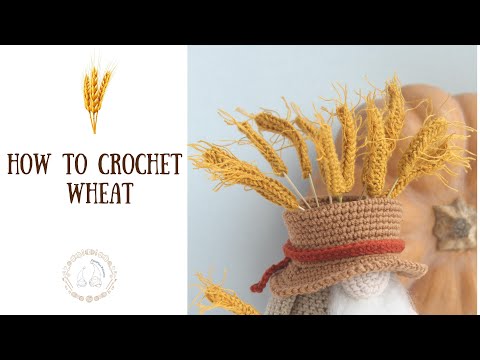
Materials for how to crochet wheat
Below is a practical materials list for this crochet wheat pattern.
Materials
- Yarn: DK or light worsted cotton yarn
- Best colors: wheat, oat, cream, beige, golden tan, muted mustard
- Budget alternative: acrylic DK yarn from your stash
- Hook size: 2.75 mm to 3.5 mm crochet hook
- I prefer 3.0 mm for clean, defined stitches
- Tapestry needle: for weaving in ends
- Scissors
- Floral wire or stem wire: optional, for structured stems
- Hot glue or craft glue: optional, if attaching to wire
- Starch spray: optional, for extra stiffness
- Finished dimensions:
- Small stem: 5 to 6 inches
- Medium stem: 7 to 8 inches
- Large stem: 9 to 11 inches
- Approximate yardage:
- 1 stem: 3 to 5 yards
- Small bouquet: 25 to 40 yards


Via Pinterest

Via Facebook Marisol Creativa

Via Facebook Marisol Creativa

Best yarn for crochet wheat
The best yarn for crochet wheat is smooth cotton yarn because it gives crisp stitch definition and helps the grains hold their shape. Mercerized cotton is especially pretty if you want a subtle glow, though plain matte cotton gives a more natural dried-wheat effect.
Soft fuzzy yarn tends to blur the texture. I’d avoid anything too plush or fluffy here.
Crochet abbreviations used in this pattern
Before we begin, here are the stitches used in this tutorial.
- ch = chain
- sl st = slip stitch
- sc = single crochet
- hdc = half double crochet
- dc = double crochet
This tutorial uses standard US crochet terms.
How to crochet wheat: easy step-by-step pattern
This crochet wheat pattern is built from a long stem and a central chain with small grain loops worked along both sides. Once you understand the structure, you can make it thinner, fuller, shorter, or taller.
Basic crochet wheat pattern overview
You will:
- Crochet a long starting chain for the stem and head
- Work the stem section
- Form the wheat grains with repeated small stitches
- Finish and shape the stalk
- Add wire if desired
Step 1: Make the foundation chain
Chain 22.
This gives you a medium wheat stem. For a shorter stalk, chain 18. For a taller one, chain 26 to 30.
Time estimate: 1 minute
A small tip here: keep your tension even, but not tight. If the chain is too tight, the wheat head curls more than you want. If you crochet tightly by habit, move up half a hook size just for the foundation chain.
Step 2: Form the stem
Starting in the 2nd chain from hook, work 1 slip stitch in each of the next 8 chains.
This creates a slim, neat stem.
You can substitute single crochet here for a thicker stem, but I like slip stitches because they keep the stem tidy and slightly corded.
Time estimate: 2 minutes
Step 3: Begin the first side of the wheat head
Now you’ll create the little grains.
In the next chain:
- ch 3
- work 1 slip stitch in the 2nd chain from hook
- work 1 slip stitch in the next chain
- slip stitch back into the same base chain on the stem
That gives you one small grain.
Repeat this process in each of the next 6 chains.
You should now have a row of little pointed bumps on one side.
Time estimate: 5 minutes
This is the point where many beginners think they’re doing it wrong because it looks fiddly. You’re probably doing just fine. Tiny motifs always look awkward halfway through.
Step 4: Shape the tip
At the top chain, work:
- ch 4
- slip stitch in the 2nd chain from hook
- slip stitch in next 2 chains
- slip stitch into the top chain
This makes the top grain slightly longer and gives the stalk that tapered tip.
Time estimate: 1 minute
Step 5: Work down the second side
Now rotate the work slightly and start building matching grains down the opposite side.
In each of the next 6 chains on the other side:
- ch 3
- slip stitch in the 2nd chain from hook
- slip stitch in next chain
- slip stitch into the same base chain
Repeat until both sides are filled.
Time estimate: 5 minutes
At this stage, your crochet wheat stalk should be visible. It may curl a little. That’s normal.
Step 6: Finish the base
Once you’ve completed the second side, slip stitch neatly down the remaining stem section if needed, fasten off, and leave a tail for weaving in.
Time estimate: 1 minute
Step 7: Weave in ends and shape
Use a tapestry needle to weave in the yarn tail securely. Then pinch and shape the grains gently with your fingers.
If you want the stem to stand upright in a vase:
- slide floral wire behind the stem
- whipstitch or glue lightly in place
- wrap with matching yarn if desired
Time estimate: 3 to 5 minutes
Best ways to use crochet wheat in decor
Crochet wheat is a versatile handmade embellishment that works in both home decor and wearable projects.
Here are some lovely uses:
- Vase fillers for mantels or dining tables
- Fall wedding bouquet accents
- Thanksgiving place settings
- Rustic nursery decor
- Gift wrapping embellishments
- Wall hoops and fiber art
- Seasonal garlands
- Bookmark toppers
- Brooches and hair accessories
One of my favorite ways to display it is in a stoneware jug with a few linen ribbons tied around the neck. The combination of soft yarn, rustic ceramic, and warm neutral color just feels calm and grounded.
Conclusion
Learning how to crochet wheat is one of those satisfying little crochet wins that pays off quickly. You only need a bit of yarn, a small hook, and a little patience at the start. Once the pattern clicks, you can make stems for wreaths, bouquets, table decor, and appliqués with ease.
I genuinely think this is one of the prettiest small botanical projects you can crochet. It has that quiet, handmade charm that makes a room feel softer and warmer. Try one stem first, then a few more in different lengths, and you’ll suddenly have a bouquet.
If you make this crochet wheat pattern, share it, pin it, or leave a comment with your favorite color palette. You might also enjoy How to Crochet Lavender Stems, Easy Crochet Fall Leaves Pattern, and Crochet Pumpkin Decor for Beginners.

CHECK MORE CROCHET PATTERNS